

Introduction:
Are you experiencing a sharp pain at the base of your spine? Is it making your life hard with restricted movement as you sit down and get up on a daily basis? Well, that’s what tailbone pain is. Also known as coccydynia, it is a medical condition that can make normal activity, such as standing, sitting, or bending, quite uncomfortable and painful.
So, what are the root causes of this condition? How to diagnose and treat it? If that’s what you’re wondering, then let us know about the condition in detail:
What is Tailbone Pain (Coccydynia)?
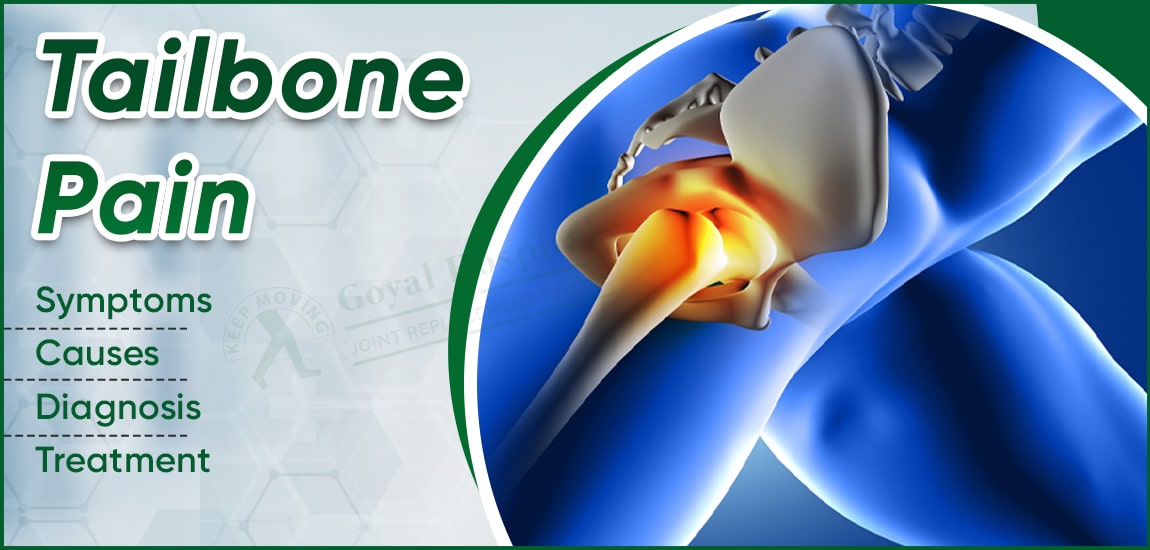
Tailbone Pain (Coccydynia) is a medical condition where it becomes difficult for the patient to perform daily activities due to persistent pain and discomfort in the spine. The coccyx or tailbone is a curved, small bone that is located at the base of the spine and is made up of vertebrae that are aligned together.
It is a bone that is surrounded by several muscles, ligaments, and tendons. This bone is responsible for supporting the overall weight and balance of the body when you are sitting or standing up. So, if your coccyx is paining, then chances are you may be suffering from Coccydynia.
Symptoms of Tailbone Pain
Experiencing pain, but not sure whether it is the tailbone or any other bone in the area that is causing the discomfort? How to know if you are experiencing pain in the tailbone? Well, there are several symptoms that one can experience when there is pain or discomfort in the tailbone area:
- If you are experiencing sharp, dull, or achy pain in the spine, it can indicate Coccydynia.
- You may feel pain at the base of the spine and feel discomfort or sharp pain due to prolonged sitting or leaning back.
- Feeling discomfort or pain during sexual intercourse or tenderness around the tailbone area.
- Feeling intense pain during activities, such as long car rides, cycling, jogging, etc.
- Worsened pain due to sitting on hard surfaces or pain during bowel movements can indicate pain in the tailbone area.
- Apart from that, you may also experience some other symptoms such as anxiety, depression, sleep disorder, sciatica, back pain, numbness in the limbs, a lump around the tailbone area, and so on.
You can Read Also:- Knock Knees: Causes, Symptoms, and Effective Treatments
Causes of Tailbone Pain
What exactly leads to tailbone pain? What are the causes of Coccydynia? Well, there are different reasons and factors that may lead to such a medical condition. Some of the major causes behind it include:
Injuries:
- Injuries caused by an unexpected fall can lead to fractured or dislocated bones.
- Injuries caused by activities such as rowing, cycling, etc., that involve leaning back and forth, may cause strain on the tissues around the tailbone. These types of injuries are known as Repetitive strain injuries (RSI).
- Sitting on hard surfaces for a long duration can also create pressure on the bone.
Weight:
- People who are overweight may face such medical issues because excess weight adds more pressure on the tailbone, making it difficult to shift backwards, which will eventually lead to pain and discomfort.
- On the other hand, people who have more body fat but have less padding around the butt area can also suffer from the same condition. This happens because the tailbone may press against the tendons, ligaments, and muscles, leading to inflammation and irritation.
Pregnancy:
During the third trimester of the pregnancy, the body releases hormones that act as a cushioning for the area between the legs and the space between the tailbone and the sacrum. It is a process that allows the tailbone to become flexible for easier childbirth. It is a natural process, but at times it may stretch the ligaments and muscles that surround the tailbone, which may lead to pain and discomfort. This leads to more strain on the soft tissues, making it harder to support the bone, which can further affect the angle and alignment.
Cancer or Tumour:
- In some conditions, one is likely to experience pain in the coccyx due to cancer. A tailbone cancer can spread to other areas of the body (including lungs).
- Other prominent reasons for pain in the coccyx may also be caused by Chordoma or a Vertebral tumour.
- The pain may also persist due to different types of cancers that includes Lung cancer, Breast cancer, Kidney cancer, Prostate cancer, or Colon cancer.
Diagnosis of Tailbone Pain
Now that you know the causes and symptoms of Coccydynia, you may be wondering, what are the diagnosis and treatment involving this medical condition? How does the doctor diagnose the pain in tailbone?
- Well, the healthcare specialist will go through your medical history and will get more information from you regarding any prior injuries or medical issues.
- After knowing your medical history, the doctor may conduct a physical examination to check for any fractures, lumps, or infection pockets in the tailbone area. The doctor will be able to identify the underlying cause of the pain and suggest appropriate treatment accordingly.
- The doctor may also suggest some tests that can help them identify the underlying cause behind the pain and conduct a careful evaluation. Some of these tests include X-rays, CT scans, MRIs, bone scans, and so on.
You can Read Also:- What Is Ankylosing Spondylitis? Causes, Symptoms & Early Signs
Treatment Options for Tailbone Pain
What is the best tailbone pain treatment? Does the doctor prescribe medicine or go for any surgical procedure? Is it treatable? Well, it certainly depends upon the underlying cause and the intensity of the pain.
In some cases, you may not need to visit a doctor; home remedies may help you enough to treat the condition. On the other hand, you may require a proper treatment plan or undergo surgery to treat Coccydynia. Some of the popular home remedies include:
- If you are experiencing pain, then you can sit on a wedge-shaped gel cushion or use a donut cushion that can help relieve the pressure on the tailbone.
- If you’re experiencing a lot of pain, then you can relax your muscles and reduce the pain by taking a hot bath. Hot and cold packs application on the lower area can also help in relieving the pain.
Non-Surgical treatments:
- Your health provider may suggest some non-steroidal anti-inflammatory drugs to help you cope with the pain while reducing the inflammation.
- Some other non-surgical treatments include Coccygeal nerve block, Massage Therapy, Physical Therapy, Acupuncture, TENS (transcutaneous electrical nerve stimulation), and so on.
Surgical Treatments:
A Tailbone pain surgery is suggested to the patient by the healthcare provider when the condition is too severe. Some of the surgical procedures include Partial Coccygectomy, Total Coccygectomy, and more.
Conclusion
Living with continuous discomfort due to Tailbone pain can make it difficult for you to navigate activities today. That’s why it is best to get in touch with an expert healthcare provider who can help you navigate the condition and get it treated. Goyal Hospital is a prominent name in the industry when it comes to offering comprehensive orthopaedic and musculoskeletal care.
From providing accurate diagnosis to curating custom treatment plans for our patients, we do it all with the help of a dedicated spine and orthopaedic department, which is fully equipped with an advanced diagnostic facility and a team that is specialised in providing exceptional pain management and physiotherapy sessions.
Whether you are suffering from Coccydynia or have any spine, back, musculoskeletal, or any other condition, we deliver patient care when combining modern medical technology and expertise. Get in touch with the expert team of Goyal Hospital now to live pain-free.